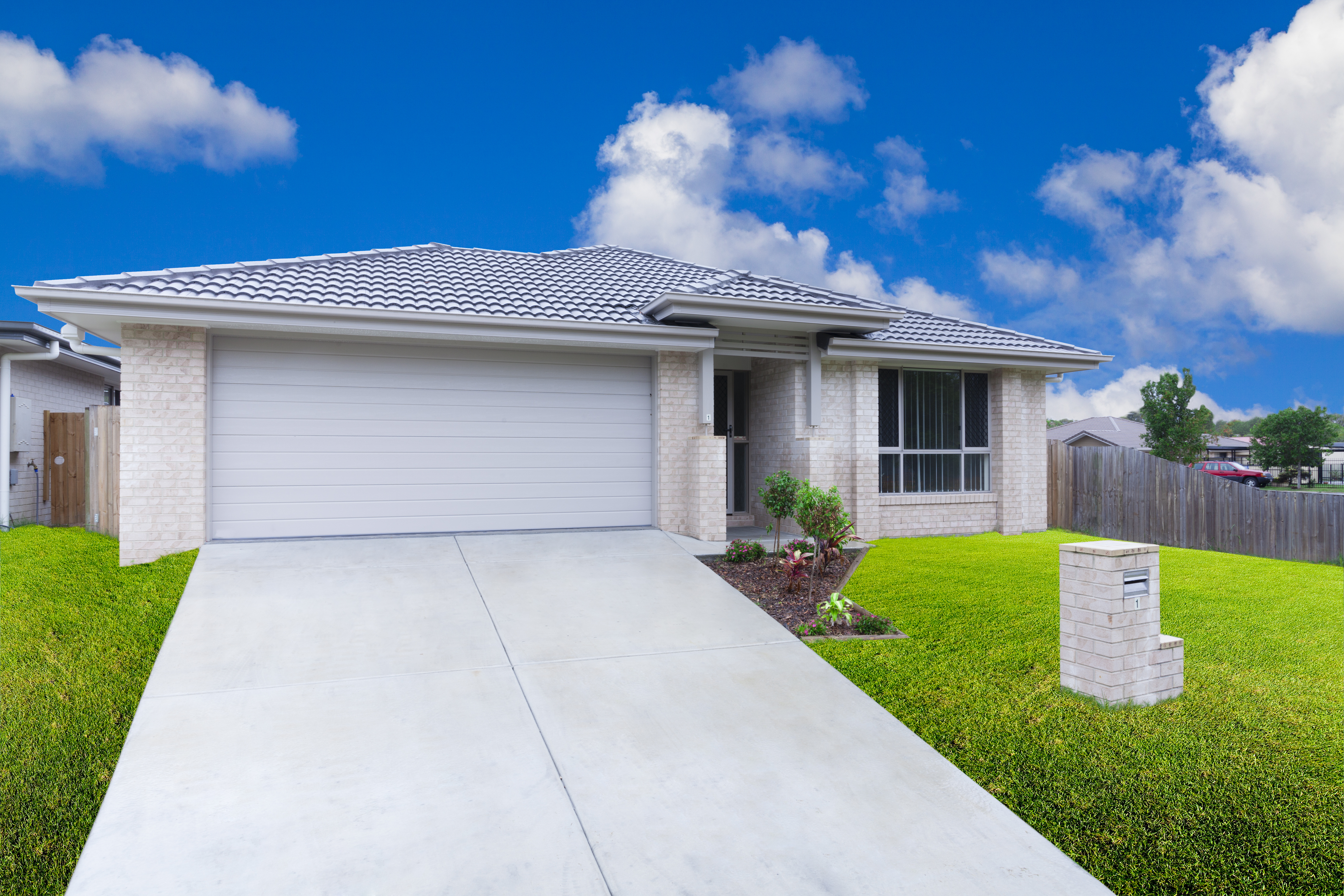
Concrete Innovations: Building the Future of Green Architecture Jun 27, 2026
Concrete, traditionally known for its durability and cost-effectiveness, is now being reimagined to align with environmental goals. One of the notable innovations in this arena is the development of eco-friendly concrete, which significantly reduces carbon emissions. By incorporating materials such as fly ash, slag, and silica fume, eco-friendly concrete not only capitalizes on industrial by-products but also enhances the material’s strength and durability. This approach not only contributes to waste reduction but also conserves natural resources, aligning with the principles of green building.
The concept of carbon capture and storage within concrete is another groundbreaking advancement. This technology allows concrete to absorb carbon dioxide from the environment, effectively acting as a carbon sink. Through a process known as carbonation, CO2 is absorbed and transformed into calcium carbonate, strengthening the concrete over time. Backbone Construction Services is exploring partnerships with technology providers to implement this in upcoming projects, thereby actively contributing to carbon neutrality.
Another promising development is the usage of permeable concrete, which embodies the essence of stormwater management in urban settings. This type of concrete allows water to pass through its surface, reducing runoff and enhancing groundwater recharge. As cities face increased incidences of flooding and related challenges, permeable concrete offers a viable solution to manage water sustainably. This not only aids in water conservation but also mitigates urban heat island effects, further complementing sustainable urban development goals.
Recycled concrete aggregate (RCA) is also gaining traction as a substitute for virgin aggregates. RCA utilizes demolition waste, significantly minimizing landfill waste while reducing the consumption of natural resources needed to produce new concrete. By opting for recycled materials, Backbone Construction Services ensures that sustainability is prioritized without compromising on structural integrity or performance.
Moreover, the advent of self-healing concrete is set to revolutionize the construction industry. Through the incorporation of bacteria or polymer-based healing agents, this concrete can autonomously repair cracks over its lifespan. This leads to extended durability, reduced maintenance costs, and a lower need for repairs, all of which contribute to the overall sustainability of the building lifecycle.
As we look toward the future, it is clear that the fusion of technology and sustainability will continue to shape the construction landscape. Backbone Construction Services remains committed to pushing the boundaries of innovation and sustainability, ensuring that every project not only meets but exceeds environmental standards.
In conclusion, concrete innovations are proving to be pivotal in building the future of green architecture. By embracing these advancements, Backbone Construction Services is successfully steering the industry towards a more sustainable, resilient, and eco-friendly future. As clients and stakeholders become increasingly environmentally conscious, these innovations not only represent progress in construction methods but also reflect a commitment to a sustainable future for generations to come.
/filters:no_upscale()/filters:format(webp)/media/1995bef4-6b73-43c5-9861-aad18dbc7ca0.jpeg)